

Non-Inventory Procurement and Management

Warehouse Supplies and Departmental Transfers
Many businesses maintain supplies as inventory in a central warehouse and distribute them to individual departments as needed. Examples include pens, paper, cleaning products, uniforms, and other commonly requested supplies.
Yellow Dog Inventory allows these items to remain as on-hand inventory while they are stored in the warehouse. When supplies are transferred to a department, Yellow Dog automatically reduces the warehouse inventory and expenses the associated cost to the designated expense account for that item and department.
This provides accurate warehouse inventory tracking while ensuring each department is properly charged for the supplies it receives.
Auto-Zero Supply Items
Yellow Dog Inventory’s Auto-Zero functionality allows supply and expense items to be purchased and received alongside regular inventory items on the same invoice.
For example, you can purchase inventory items together with supplies that should be expensed immediately upon receipt. These supply items are received through the same process as inventory, then automatically expensed and zeroed out to the designated expense account. This allows you to accurately capture the purchase without unnecessarily carrying the supplies as on-hand inventory.
To simplify setup and ongoing management, multiple supply purchases can also be received against generic supply items rather than requiring a unique item record for every product.
Because these items are not purchased for resale, Yellow Dog Inventory can also calculate and capture the applicable sales tax on the invoice.
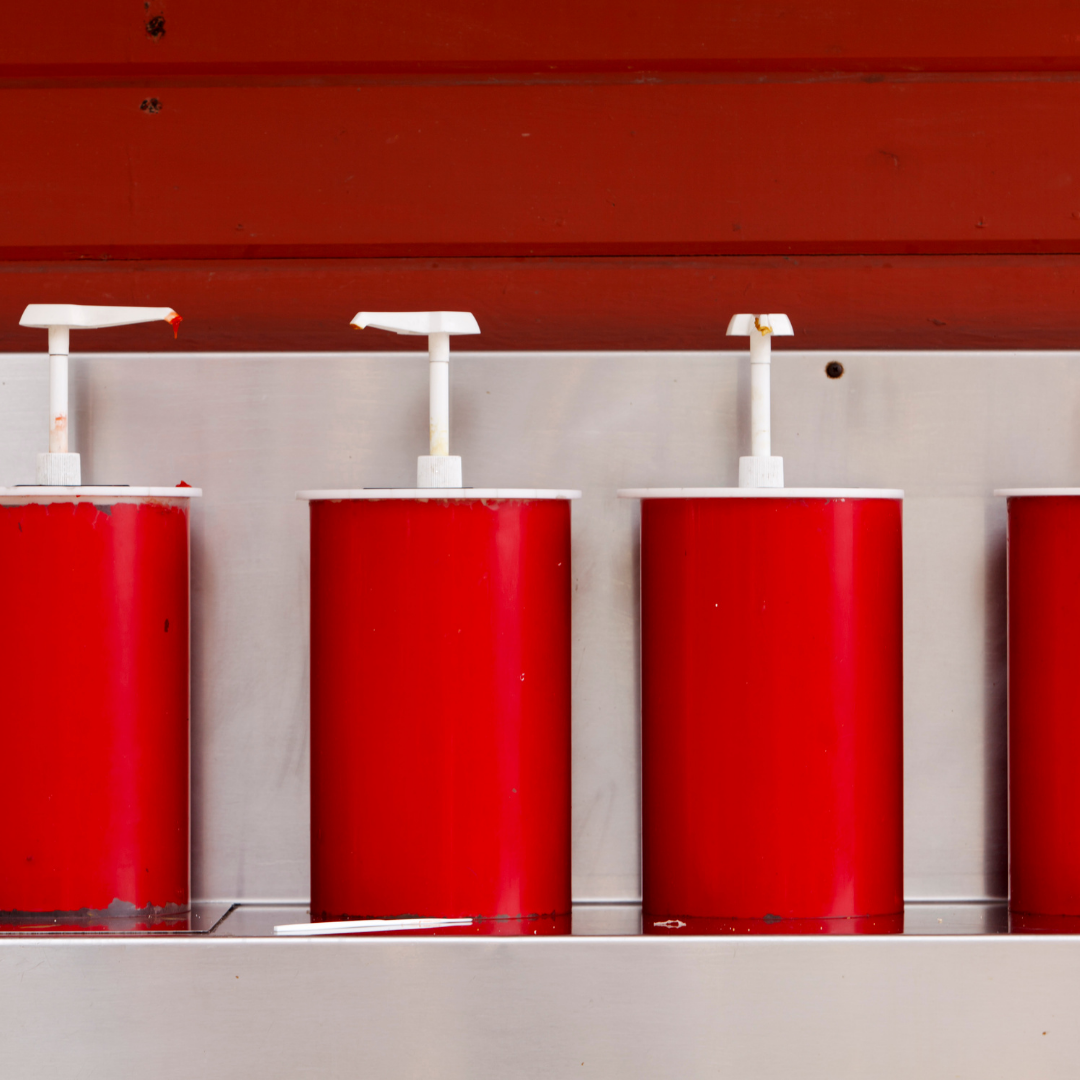
Typical supply and expense items include condiments, paper products, takeout containers, disposable flatware and utensils, kitchen and cleaning supplies, uniforms, and other operating supplies.

Non-Inventory Items and Services
Yellow Dog Invoices can be used to purchase, receive, and process invoices for non-inventory items and services, allowing purchases outside of traditional inventory to follow the same purchasing and approval workflow.
Examples include HVAC repairs, televisions, equipment, professional services, maintenance expenses, and virtually any other goods or services a venue may need to purchase.
To simplify the process, generic items can be created to represent general ledger accounts or purchasing categories, eliminating the need to create and maintain individual item records for these purchases. This provides a simple way to manage non-inventory spending while ensuring each purchase is properly categorized and allocated for accounting.
Ready to improve your warehouse operations?
In just 30 minutes our team will tell you how we can help you:
1) be more efficient 2) have better insight to your performance 3) let you focus on areas OTHER than inventory!